
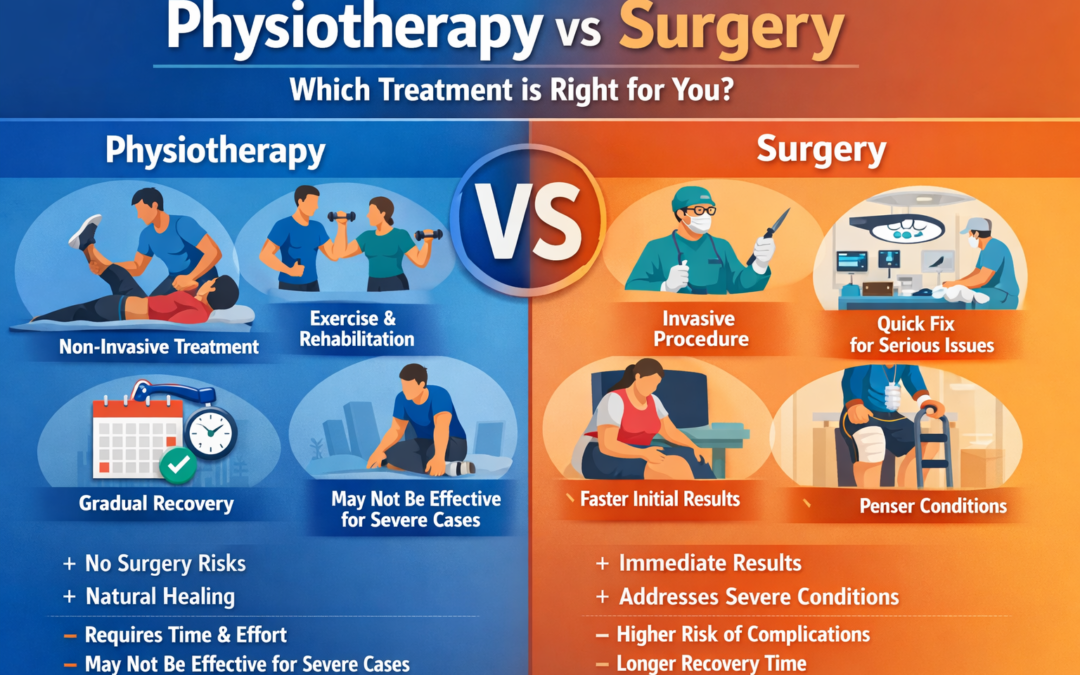
Physiotherapy vs Surgery: Which Treatment is Right for You?
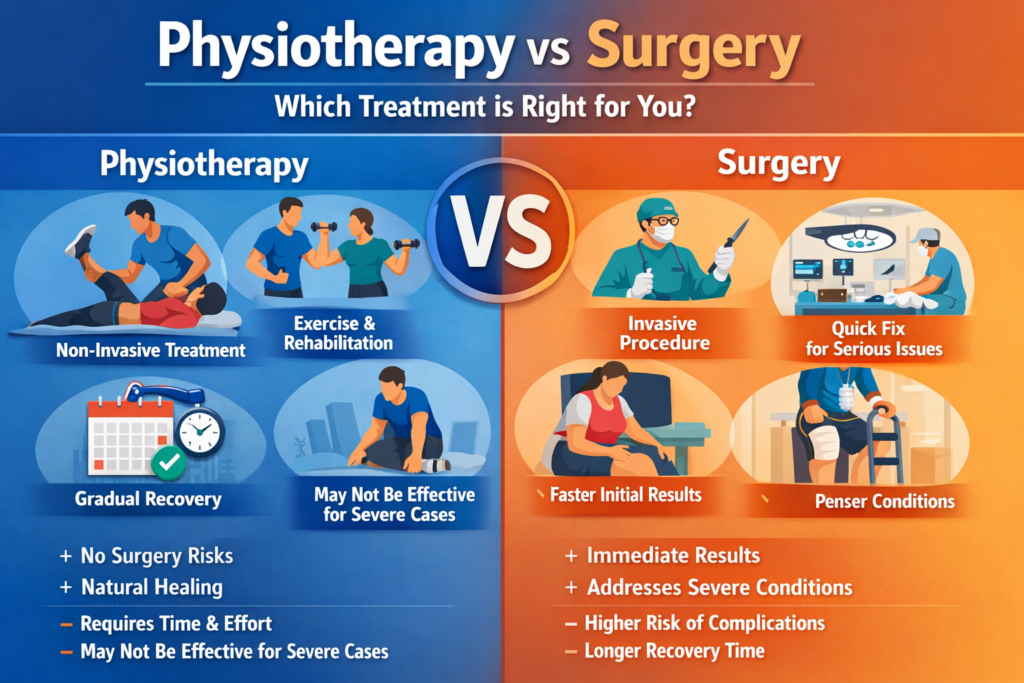
Understanding Physiotherapy
Physiotherapy is a healthcare profession that focuses on the assessment, treatment, and rehabilitation of individuals with physical impairments or disabilities. Practitioners, known as physiotherapists, employ various techniques and approaches to restore mobility, reduce pain, and improve overall physical function. Importantly, physiotherapy stands out as a non-invasive treatment option, making it a highly regarded alternative for those considering whether physiotherapy or surgery is the better choice.
There are several key techniques used within physiotherapy, including manual therapy, therapeutic exercises, electrotherapy, and education about lifestyle modifications. Each of these methods aims to support the body’s natural healing processes while ensuring patients remain actively involved in their rehabilitation journey. For example, manual therapy involves hands-on techniques that manipulate soft tissues and joints, whereas therapeutic exercises target specific muscle groups to enhance strength, flexibility, and coordination.
Physiotherapy can effectively address a wide variety of conditions. Among these are musculoskeletal injuries, which can result from acute trauma or chronic wear and tear, as well as the rehabilitation needs of patients who have undergone surgery. Additionally, physiotherapy plays a crucial role in the management of chronic pain, such as in cases of arthritis or fibromyalgia. These conditions often benefit from a tailored approach that physiotherapists provide, allowing for personalized treatment plans that cater to the unique needs of each patient.
Furthermore, physiotherapists are trained to educate patients about their conditions and empower them with strategies to manage their pain and improve their quality of life. By promoting self-management and resilience, physiotherapy aims to enhance overall wellness while minimizing the need for invasive procedures. In situations where patients wonder, “Do I need surgery or physiotherapy?”, reviewing the non-surgical treatment for knee pain and other ailments is vital before making a conclusive decision.
Surgical Interventions: When Are They Necessary?
Surgical interventions can often play a pivotal role in the treatment of various medical conditions, especially those that do not respond effectively to conservative measures like physiotherapy. Understanding when surgery is necessary is essential for patients to make informed decisions regarding their health. Generally, surgery may be indicated in cases of severe injury, significant anatomical deformities, or progressive diseases that pose a risk if left untreated.
There are two primary types of surgeries: elective surgeries and emergency surgeries. Elective surgery is planned in advance and is usually performed when a patient’s condition is stable, such as in cases of chronic joint diseases where other treatments, like physiotherapy, have been insufficient. Conversely, emergency surgery occurs as a response to acute medical situations, such as traumatic injuries, where immediate surgical intervention may be crucial for patient survival or minimizing long-term damage.
Despite the benefits, potential risks accompany surgical procedures, including infection, blood clots, and complications from anesthesia. Recovery times can vary significantly based on the type of surgery performed. For instance, some patients may regain full function in weeks, while others might require extensive rehabilitation that takes months. Therefore, the decision to pursue surgery should involve a thorough discussion with a healthcare provider who will weigh individual circumstances, including the potential benefits and drawbacks of the procedure.
Healthcare providers utilize several criteria to determine whether surgery is more appropriate than non-surgical treatments like physiotherapy. Key factors include the severity and nature of the condition, patient age, overall health status, and the expected effectiveness of other treatments. By assessing these elements, medical professionals can provide tailored recommendations that align with the patient’s needs.
Comparative Analysis: Physiotherapy vs Surgery
When it comes to addressing injuries and chronic conditions, the choice between physiotherapy and surgery often weighs heavily on patients. Understanding the comparative advantages and disadvantages of each treatment method is essential for making an informed decision. Effectiveness is a key considera…tion in this analysis. Physiotherapy has been proven effective for various musculoskeletal conditions, promoting healing through tailored exercises, manual therapy, and education. In contrast, surgery may offer a more immediate resolution to structural problems, such as significant tears or fractures.
Another crucial factor in this analysis is recovery time. Physiotherapy typically requires a longer commitment, as rehabilitation may take weeks to months, depending on the severity of the injury. Surgical recovery often involves immediate improvement, but rehabilitation following surgery can also be extensive, with complications potentially extending recovery time. A thorough examination of individual cases, such as when surgery becomes necessary for injuries, helps navigate this complex landscape.
The cost of treatment significantly influences patient choices. Physiotherapy, being a non-surgical treatment for knee pain and other conditions, is often less expensive over time compared to surgery. However, surgical procedures can sometimes be covered by insurance, affecting the immediate financial burden on patients. Long-term outcomes are another consideration; studies have shown that some conditions respond better to physiotherapy, while others may benefit more from surgical intervention. Recommendations from healthcare providers can guide patients in determining if they are better suited for physiotherapy or if surgery is warranted.
Patient preference plays an important role as well. Some individuals may prefer to avoid surgical procedures altogether, choosing physiotherapy for its conservative approach. Ultimately, the decision of “do I need surgery or physiotherapy” should be made in consultation with healthcare professionals, considering all relevant factors, including the severity of the condition and previous treatments that have been attempted.
Making the Right Choice: Factors to Consider
When confronted with a decision regarding physiotherapy or surgery, it is essential to evaluate several factors that may influence the best course of action for your specific situation. First and foremost, the nature and severity of the condition in question plays a significant role in determining whether non-surgical treatment options, like physiotherapy, may be sufficient, or if surgery is necessary for addressing the issue effectively.
Your personal health history is another critical factor to consider. Individuals with underlying health conditions or prior surgeries may not be the best candidates for surgical interventions due to potential complications. Conversely, those with chronic pain or recent injuries may benefit considerably from a tailored physiotherapy treatment approach, focusing on rehabilitation and strengthening without the risks associated with surgery.
It is also crucial to take lifestyle factors into account. For instance, a person’s activity level, job requirements, and personal commitments can greatly affect the choice between physiotherapy vs surgery. Those who maintain an active lifestyle may prefer to explore non-surgical treatment for knee pain before opting for more invasive solutions that may require lengthy recovery times.
Consultation with Dr. Shashi Kanth is essential in making the right treatment decision. An experienced orthopaedic specialist, along with physiotherapists and rehabilitation experts, can provide personalized guidance based on your condition. Seeking a second opinion can also offer additional perspectives and treatment options, helping you make a confident and informed choice.
Personal anecdotes and testimonials from patients who have successfully navigated the choice between physiotherapy or surgery can provide insightful, real-world experiences. Such accounts can highlight the benefits and challenges faced in both treatment options, aiding others in their decision-making process.