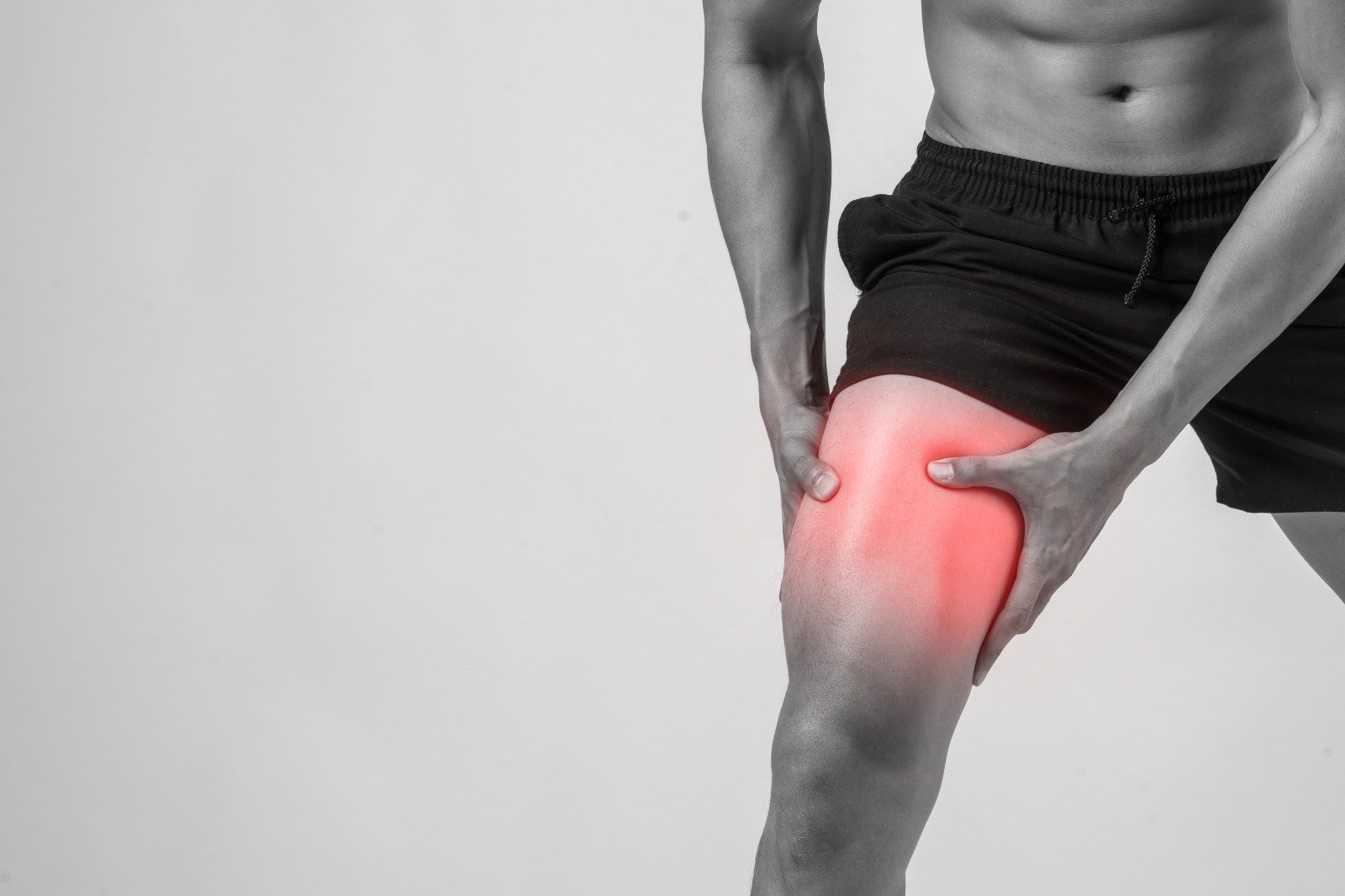
Sports Knee Injuries: Causes, Symptoms, Treatment,and Prevention


Sports Knee Injuries: What Every Active Person Should Know

Whether you’re a weekend cricket enthusiast, an avid runner, a football player, or
someone who enjoys staying active, your knees work hard every single day. They absorb
impact, provide stability, and allow you to move with confidence. Unfortunately, they are
also among the most commonly injured joints in sports.
A sports knee injury can happen in an instant—a sudden twist while changing direction,
an awkward landing after a jump, or even repeated overuse during training. While some
injuries heal with rest and rehabilitation, others require timely medical intervention to
prevent long-term damage.
Understanding the causes, symptoms, and treatment options for sports knee injuries can
help you recover faster and return to your favorite activities safely

Why Are Knee Injuries So Common in Sports?

The knee is one of the largest and most complex joints in the body. It consists of bones,
ligaments, cartilage, tendons, and muscles working together to provide stability and
movement.
Sports that involve rapid acceleration, sudden stops, jumping, pivoting, or physical
contact place significant stress on the knee. This is why athletes participating in football,
cricket, badminton, basketball, tennis, volleyball, and running are particularly vulnerable.
Common risk factors include:

  • Poor warm-up before exercise
  • Weak thigh and hip muscles
  • Improper sports technique
  • Previous knee injuries
  • Sudden increase in training intensity
  • Inadequate footwear
  • Uneven playing surfaces

Common Types of Sports Knee Injuries

ACL (Anterior Cruciate Ligament) Injury

The ACL is one of the primary stabilizing ligaments of the knee. It is commonly injured during sudden twisting movements, quick direction changes, or awkward landings.

Symptoms include:

  • A popping sensation
  • Immediate swelling
  • Knee instability
  • Difficulty walking or changing direction

Young athletes involved in football, basketball, badminton, and skiing are particularly at risk.

Meniscus Tear

A The meniscus acts as a shock absorber between the thigh bone and shin bone.

A meniscus tear usually occurs due to twisting while the foot remains planted.

Typical symptoms include:

  • Pain during twisting
  • Swelling
  • Clicking or locking of the knee
  • Difficulty squatting
  • Reduced range of motion

Small tears may heal with conservative treatment, while larger tears often require arthroscopic repair.

MCL (Medial Collateral Ligament) Injury

The MCL is located on the inner side of the knee and is frequently injured by direct blows to the outside of the knee.

Symptoms include:

  • Pain along the inside of the knee
  • Swelling
  • Tenderness
  • Feeling of instability

Many MCL injuries recover successfully with bracing and physiotherapy.

Patellar Tendinitis (Jumper’s Knee)

Repeated jumping sports place excessive stress on the patellar tendon.

This overuse injury commonly affects:

  • Volleyball players
  • Basketball players
  • Runners
  • High jump athletes

Symptoms usually begin gradually and worsen with continued activity.

Patellofemoral Pain Syndrome

Often referred to as “Runner’s Knee,” this condition causes pain around the kneecap.

It is frequently caused by:

  • Muscle imbalance
  • Overuse
  • Poor running mechanics
  • Weak hip muscles

Fortunately, most patients improve with targeted strengthening exercises.

Warning Signs You Should Never Ignore

Many people continue playing despite pain, hoping it will improve on its own. Delaying treatment may worsen the injury.

Consult an orthopaedic specialist if you experience:

  • Sudden swelling after injury
  • A popping sensation
  • Knee giving way
  • Inability to bear weight
  • Locked knee
  • Persistent pain lasting more than a few days
  • Recurrent swelling after sports

Early diagnosis often leads to better outcomes and faster recovery.

How Are Sports Knee Injuries Diagnosed?

An orthopaedic surgeon begins with a detailed clinical examination and understanding of how the injury occurred.

Depending on the suspected injury, investigations may include:

  • Digital X-rays
  • MRI scan
  • Ultrasound (for selected tendon injuries)
  • Diagnostic arthroscopy in specific cases

A precise diagnosis helps create the most effective treatment plan.

Treatment Options for Sports Knee Injuries

Treatment depends on the severity and type of injury.

Non-Surgical Treatment

Many sports injuries recover without surgery.

Treatment may include:

  • Rest and activity modification
  • Ice therapy
  • Compression bandage
  • Elevation
  • Anti-inflammatory medication
  • Knee brace
  • Physiotherapy
  • Sports-specific rehabilitation

Rehabilitation focuses on restoring strength, balance, flexibility, and confidence.

Arthroscopic Knee Surgery

When conservative treatment is insufficient, minimally invasive arthroscopic surgery may be recommended.

Common arthroscopic procedures include:

  • ACL reconstruction
  • Meniscus repair
  • Meniscus trimming
  • Cartilage procedures
  • Removal of loose bodies

Arthroscopy uses small incisions, resulting in less pain, quicker recovery, and earlier return to activity compared to traditional open surgery.

Can Sports Knee Injuries Be Prevented?

Although not every injury is preventable, your risk can be significantly reduced.

Follow these preventive measures:

  • Warm up before every workout
  • Strengthen quadriceps, hamstrings, hips, and core muscles
  • Improve balance and coordination
  • Wear appropriate footwear
  • Increase training intensity gradually
  • Learn proper landing and cutting techniques
  • Avoid overtraining
  • Allow adequate recovery between sessions

Preventive exercise programs have been shown to reduce ACL injuries in athletes.

Recovery and Returning to Sports

Returning to sports too early increases the risk of reinjury.

Recovery depends on:

  • Injury severity
  • Type of treatment
  • Rehabilitation commitment
  • Individual healing response

Most athletes return safely only after achieving:

  • Full knee movement
  • Good muscle strength
  • Excellent balance
  • Pain-free function
  • Clearance from their orthopaedic surgeon and physiotherapist

Patience during rehabilitation often determines long-term success.

👉 For more detailed medical information on knee injuries, you can refer to the National Institutes of Health (NIH): Knee Injuries
(https://www.niams.nih.gov/health-topics/knee-problems)


Final Thoughts

Sports keep us healthy, active, and confident, but knee injuries can interrupt both athletic performance and everyday life. Fortunately, advances in sports medicine, physiotherapy, and arthroscopic surgery allow most patients to recover successfully and return to the activities they enjoy.

Ignoring persistent knee pain can lead to further damage. Early evaluation, an accurate diagnosis, and individualized treatment remain the key to a safe and complete recovery.

Whether you’re a recreational athlete or someone simply trying to stay fit, protecting your knees today can help you remain active for years to come.

Frequently Asked Questions (FAQs)

1. What is the most common sports knee injury?

ACL injuries, meniscus tears, MCL injuries, and patellar tendinitis are among the most common sports-related knee injuries.

2. How do I know if my knee injury is serious?

Immediate swelling, inability to bear weight, instability, locking, or persistent pain should be evaluated by an orthopaedic specialist.

3. Can a torn ACL heal without surgery?

Partial ACL injuries may be managed conservatively in selected patients, but complete tears in active individuals often require reconstruction for optimal stability.

4. How long does recovery from a sports knee injury take?

Recovery varies from a few weeks for minor sprains to 6–12 months after ACL reconstruction, depending on rehabilitation and individual healing.

5. Is walking good after a knee injury?

Gentle walking may be beneficial for some injuries, but weight-bearing should be guided by a healthcare professional based on the type and severity of the injury.

6. Can physiotherapy prevent knee surgery?

Many ligament sprains, overuse injuries, and patellofemoral pain syndromes improve significantly with structured physiotherapy, potentially avoiding surgery.

7. When should I see an orthopaedic surgeon for knee pain?

If knee pain persists beyond a few days, is associated with swelling, instability, locking, or affects daily activities or sports performance, seek specialist evaluation.

👉 To understand available treatment options for knee injuries,
visit: https://orthopaedicdrshashikanth.com/treatments/
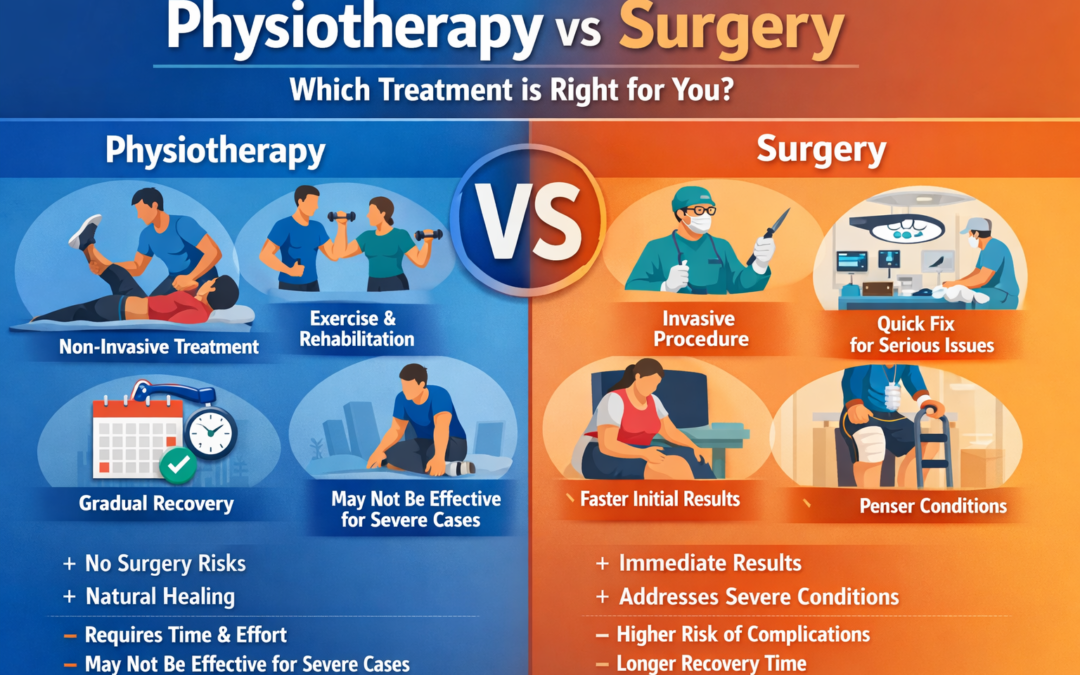
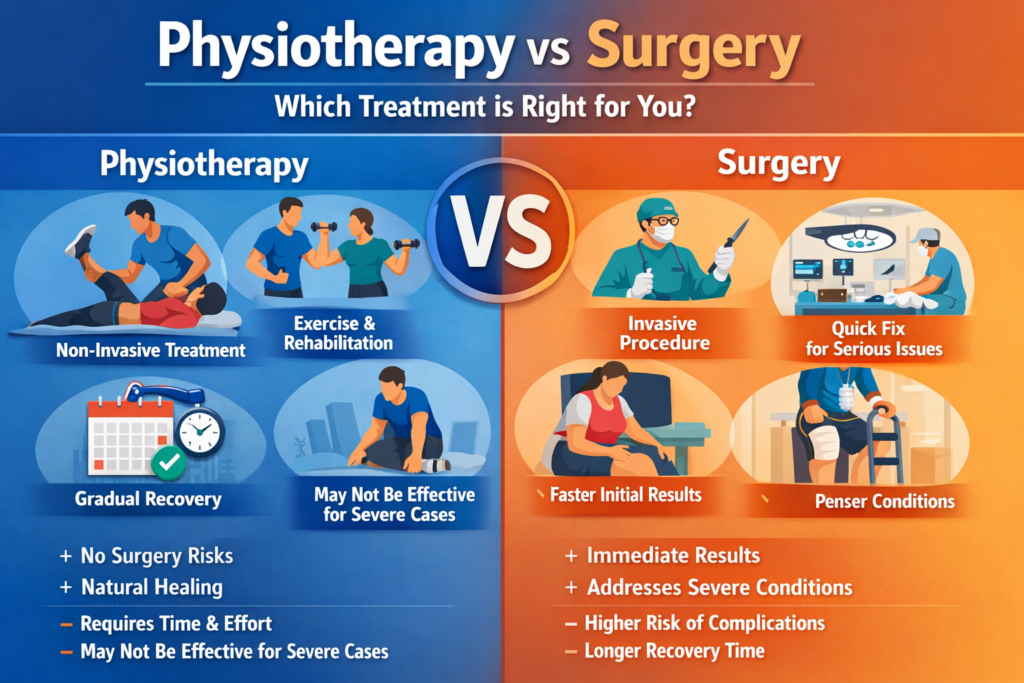

Physiotherapy vs Surgery: Which Treatment is Right for You?

Physiotherapy vs Surgery: Which Treatment is Right for You?

Understanding Physiotherapy

Physiotherapy is a healthcare profession that focuses on the assessment, treatment, and rehabilitation of individuals with physical impairments or disabilities. Practitioners, known as physiotherapists, employ various techniques and approaches to restore mobility, reduce pain, and improve overall physical function. Importantly, physiotherapy stands out as a non-invasive treatment option, making it a highly regarded alternative for those considering whether physiotherapy or surgery is the better choice.

There are several key techniques used within physiotherapy, including manual therapy, therapeutic exercises, electrotherapy, and education about lifestyle modifications. Each of these methods aims to support the body’s natural healing processes while ensuring patients remain actively involved in their rehabilitation journey. For example, manual therapy involves hands-on techniques that manipulate soft tissues and joints, whereas therapeutic exercises target specific muscle groups to enhance strength, flexibility, and coordination.

Physiotherapy can effectively address a wide variety of conditions. Among these are musculoskeletal injuries, which can result from acute trauma or chronic wear and tear, as well as the rehabilitation needs of patients who have undergone surgery. Additionally, physiotherapy plays a crucial role in the management of chronic pain, such as in cases of arthritis or fibromyalgia. These conditions often benefit from a tailored approach that physiotherapists provide, allowing for personalized treatment plans that cater to the unique needs of each patient.

Furthermore, physiotherapists are trained to educate patients about their conditions and empower them with strategies to manage their pain and improve their quality of life. By promoting self-management and resilience, physiotherapy aims to enhance overall wellness while minimizing the need for invasive procedures. In situations where patients wonder, “Do I need surgery or physiotherapy?”, reviewing the non-surgical treatment for knee pain and other ailments is vital before making a conclusive decision.

Surgical Interventions: When Are They Necessary?

Surgical interventions can often play a pivotal role in the treatment of various medical conditions, especially those that do not respond effectively to conservative measures like physiotherapy. Understanding when surgery is necessary is essential for patients to make informed decisions regarding their health. Generally, surgery may be indicated in cases of severe injury, significant anatomical deformities, or progressive diseases that pose a risk if left untreated.

There are two primary types of surgeries: elective surgeries and emergency surgeries. Elective surgery is planned in advance and is usually performed when a patient’s condition is stable, such as in cases of chronic joint diseases where other treatments, like physiotherapy, have been insufficient. Conversely, emergency surgery occurs as a response to acute medical situations, such as traumatic injuries, where immediate surgical intervention may be crucial for patient survival or minimizing long-term damage.

Despite the benefits, potential risks accompany surgical procedures, including infection, blood clots, and complications from anesthesia. Recovery times can vary significantly based on the type of surgery performed. For instance, some patients may regain full function in weeks, while others might require extensive rehabilitation that takes months. Therefore, the decision to pursue surgery should involve a thorough discussion with a healthcare provider who will weigh individual circumstances, including the potential benefits and drawbacks of the procedure.

Healthcare providers utilize several criteria to determine whether surgery is more appropriate than non-surgical treatments like physiotherapy. Key factors include the severity and nature of the condition, patient age, overall health status, and the expected effectiveness of other treatments. By assessing these elements, medical professionals can provide tailored recommendations that align with the patient’s needs.

Comparative Analysis: Physiotherapy vs Surgery

When it comes to addressing injuries and chronic conditions, the choice between physiotherapy and surgery often weighs heavily on patients. Understanding the comparative advantages and disadvantages of each treatment method is essential for making an informed decision. Effectiveness is a key considera…tion in this analysis. Physiotherapy has been proven effective for various musculoskeletal conditions, promoting healing through tailored exercises, manual therapy, and education. In contrast, surgery may offer a more immediate resolution to structural problems, such as significant tears or fractures.

Another crucial factor in this analysis is recovery time. Physiotherapy typically requires a longer commitment, as rehabilitation may take weeks to months, depending on the severity of the injury. Surgical recovery often involves immediate improvement, but rehabilitation following surgery can also be extensive, with complications potentially extending recovery time. A thorough examination of individual cases, such as when surgery becomes necessary for injuries, helps navigate this complex landscape.

The cost of treatment significantly influences patient choices. Physiotherapy, being a non-surgical treatment for knee pain and other conditions, is often less expensive over time compared to surgery. However, surgical procedures can sometimes be covered by insurance, affecting the immediate financial burden on patients. Long-term outcomes are another consideration; studies have shown that some conditions respond better to physiotherapy, while others may benefit more from surgical intervention. Recommendations from healthcare providers can guide patients in determining if they are better suited for physiotherapy or if surgery is warranted.

Patient preference plays an important role as well. Some individuals may prefer to avoid surgical procedures altogether, choosing physiotherapy for its conservative approach. Ultimately, the decision of “do I need surgery or physiotherapy” should be made in consultation with healthcare professionals, considering all relevant factors, including the severity of the condition and previous treatments that have been attempted.

Making the Right Choice: Factors to Consider

When confronted with a decision regarding physiotherapy or surgery, it is essential to evaluate several factors that may influence the best course of action for your specific situation. First and foremost, the nature and severity of the condition in question plays a significant role in determining whether non-surgical treatment options, like physiotherapy, may be sufficient, or if surgery is necessary for addressing the issue effectively.

Your personal health history is another critical factor to consider. Individuals with underlying health conditions or prior surgeries may not be the best candidates for surgical interventions due to potential complications. Conversely, those with chronic pain or recent injuries may benefit considerably from a tailored physiotherapy treatment approach, focusing on rehabilitation and strengthening without the risks associated with surgery.

It is also crucial to take lifestyle factors into account. For instance, a person’s activity level, job requirements, and personal commitments can greatly affect the choice between physiotherapy vs surgery. Those who maintain an active lifestyle may prefer to explore non-surgical treatment for knee pain before opting for more invasive solutions that may require lengthy recovery times.

Consultation with Dr. Shashi Kanth is essential in making the right treatment decision. An experienced orthopaedic specialist, along with physiotherapists and rehabilitation experts, can provide personalized guidance based on your condition. Seeking a second opinion can also offer additional perspectives and treatment options, helping you make a confident and informed choice.

Personal anecdotes and testimonials from patients who have successfully navigated the choice between physiotherapy or surgery can provide insightful, real-world experiences. Such accounts can highlight the benefits and challenges faced in both treatment options, aiding others in their decision-making process.

Understanding Why Knee Pain Increases While Climbing Stairs

Understanding Why Knee Pain Increases While Climbing Stairs

Orthopaedic consultation at STAR Hospitals Hyderabad

The Mechanics of Climbing Stairs and Its Impact on the Knee

Understanding the biomechanics of climbing stairs is crucial in recognizing common causes of knee pain. When an individual ascends a flight of stairs, several muscle groups are engaged to lift the body weight against gravity. The primary muscles involved include the quadriceps, hamstrings, calves, and hip flexors, which work in conjunction to provide the necessary strength for this upward movement.

As one steps up, the knee joint performs a pivotal role in this action. The joint flexes at an angle that varies depending on the height of each step and the individual’s technique. Typically, as the knee flexes to a greater degree during the ascent, it experiences increased stress, which may lead to discomfort or pain, particularly in those with pre-existing conditions.

The angle of the knee during stair climbing significantly impacts the loads experienced by the joint. As one climbs, the knee bears a substantial portion of the body weight. This repetitive strain, especially when done frequently or with improper form, can exacerbate certain conditions, highlighting the early warning signs of potential injury. For example, those predisposed to patellofemoral pain syndrome may find that climbing stairs intensifies their symptoms due to the upsurge of pressure placed on the kneecap.

It is essential for individuals experiencing knee pain while navigating stairs to assess their movement patterns and techniques. Adjustments in posture, step height, and pacing can alleviate some of the stress on the knee joint. However, if discomfort persists, it is advisable to consult with a healthcare professional to discuss when to see an orthopaedic doctor for a thorough evaluation and guidance on appropriate interventions.

Common Causes of Knee Pain During Stair Climbing

Knee pain while climbing stairs can be a debilitating issue, affecting individuals’ mobility and quality of life. Understanding the common causes of this pain is essential for effective management and treatment. One prevalent condition that leads to discomfort is patellofemoral pain syndrome, also known as “runner’s knee.” This occurs when the knee cap does not track properly over the thigh bone during movement, leading to wear and tear of the cartilage. Symptoms may worsen during activities such as stair climbing, as the joint experiences increased load.

Another significant contributor to knee pain during stair climbing is osteoarthritis. This degenerative joint disease results in the breakdown of cartilage, leading to pain, swelling, and decreased range of motion. Stair climbing exacerbates these symptoms, as it places added stress on already compromised knee joints. Individuals with osteoarthritis often report enhanced discomfort in the knees following prolonged activity.

Tendinitis is also a common cause of knee pain, particularly for athletes or individuals who engage in repetitive activities. This condition involves inflammation of the tendons around the knee and can result from overuse or physical strain. During stair climbing, tendinitis can produce sharp or persistent pain, limiting one’s ability to ascend and descend stairs comfortably.

Moreover, structural abnormalities such as ligament injuries, meniscus tears, or issues with alignment can contribute to knee pain during stair climbing. These problems disrupt normal knee function and can cause pain with movement. Each of these conditions represents a distinct challenge that can impact the ability to climb stairs effectively.

Preventative Measures and Treatment Options

Knee pain during activities such as climbing stairs can be a common issue for many individuals, often exacerbated by factors such as improper footwear, excess weight, or underlying health conditions. To effectively manage and prevent this discomfort, lifestyle modifications and targeted treatments are essential.

Proper footwear is a significant factor in alleviating knee pain. Shoes that offer adequate support and cushioning can reduce strain on the knee joint, particularly during movements that involve bending, such as climbing stairs. It is advisable to seek footwear that provides stability and aligns the foot correctly to minimize any risk of injury.

Weight management is another critical aspect of preventing knee pain. Excess body weight places additional pressure on the knees, increasing the likelihood of discomfort and complications. A balanced diet and regular exercise can help achieve and maintain a healthy weight, thereby reducing knee strain and improving overall mobility.

Physical therapy can also be beneficial in managing knee pain. Various exercises, including stretching and strengthening routines, can enhance the muscles surrounding the knee joint, providing better support and stability. A physical therapist can recommend specific exercises tailored to individual needs, focusing on improving flexibility and strength, which may help prevent future issues.

In addition to these measures, applying ice to the affected area may provide relief from pain and inflammation. It is generally recommended to ice the knee for twenty minutes after activities that exacerbate pain. Regularly engaging in specific stretches aimed at the quadriceps and hamstrings can maintain muscle length and joint mobility.

Recognizing early warning signs of knee pain is vital. If discomfort persists or worsens, it is prudent to consult an orthopaedic doctor to explore further treatment options, ensuring that any underlying conditions are effectively addressed.

When to Seek Professional Help for Knee Pain

Knee pain can vary in intensity and duration, making it crucial to monitor symptoms closely. Recognizing the early warning signs of knee problems can significantly influence treatment outcomes. If you experience persistent knee pain, particularly when climbing stairs, it is advisable to consider seeking professional help.

Firstly, if the pain lasts more than a few days or seems to worsen over time, it may indicate an underlying issue. Conditions such as tendinitis, arthritis, or meniscus tears often present with prolonged discomfort. If the pain is accompanied by swelling or inflammation, these are also common causes of concern. Swelling can signal an injury or chronic condition, requiring evaluation from a physician or orthopaedic specialist.

Furthermore, while moderate knee pain might not necessarily require immediate attention, severe pain, especially following an injury, usually warrants an urgent consultation. If you find yourself unable to bear weight on the affected leg or experience instability while walking, these symptoms indicate a need for timely evaluation.

It is also important to seek help if knee pain interferes with your daily activities. Tasks such as going up and down stairs, participating in sports, or even performing basic movements should not be debilitating. In such cases, a visit to an orthopaedic doctor or physical therapist is necessary. They can conduct a thorough examination, recommend imaging if needed, and develop a tailored treatment plan.

In conclusion, being aware of when to seek professional help for knee pain can lead to early intervention and better outcomes. Always pay attention to symptoms and don’t hesitate to seek medical advice when you are unsure about the severity of your condition.