
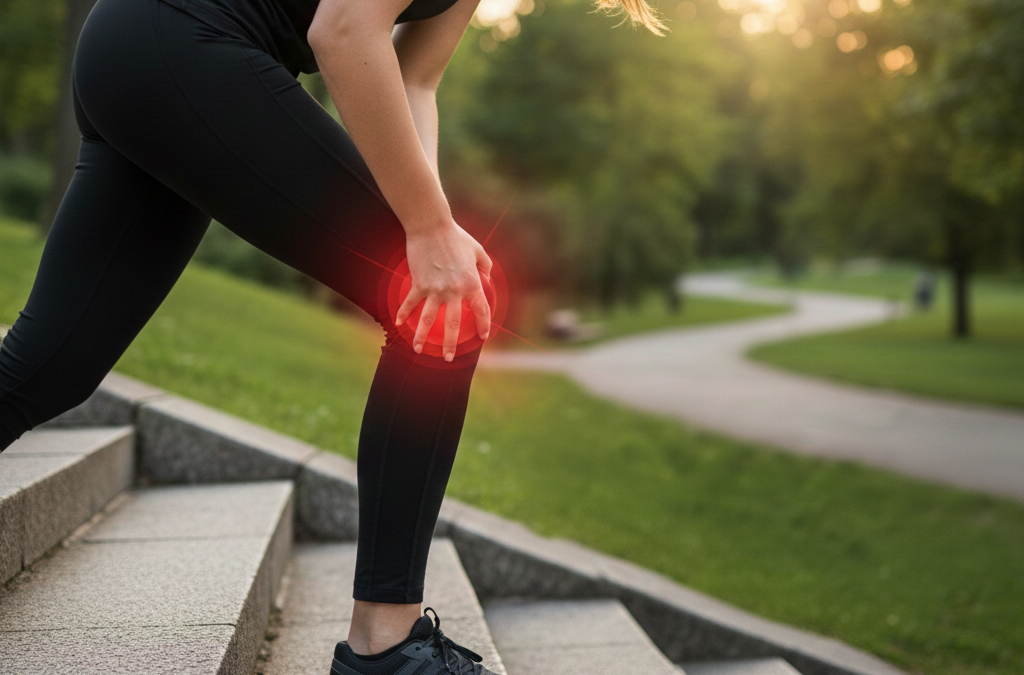
Understanding Why Knee Pain Increases While Climbing Stairs
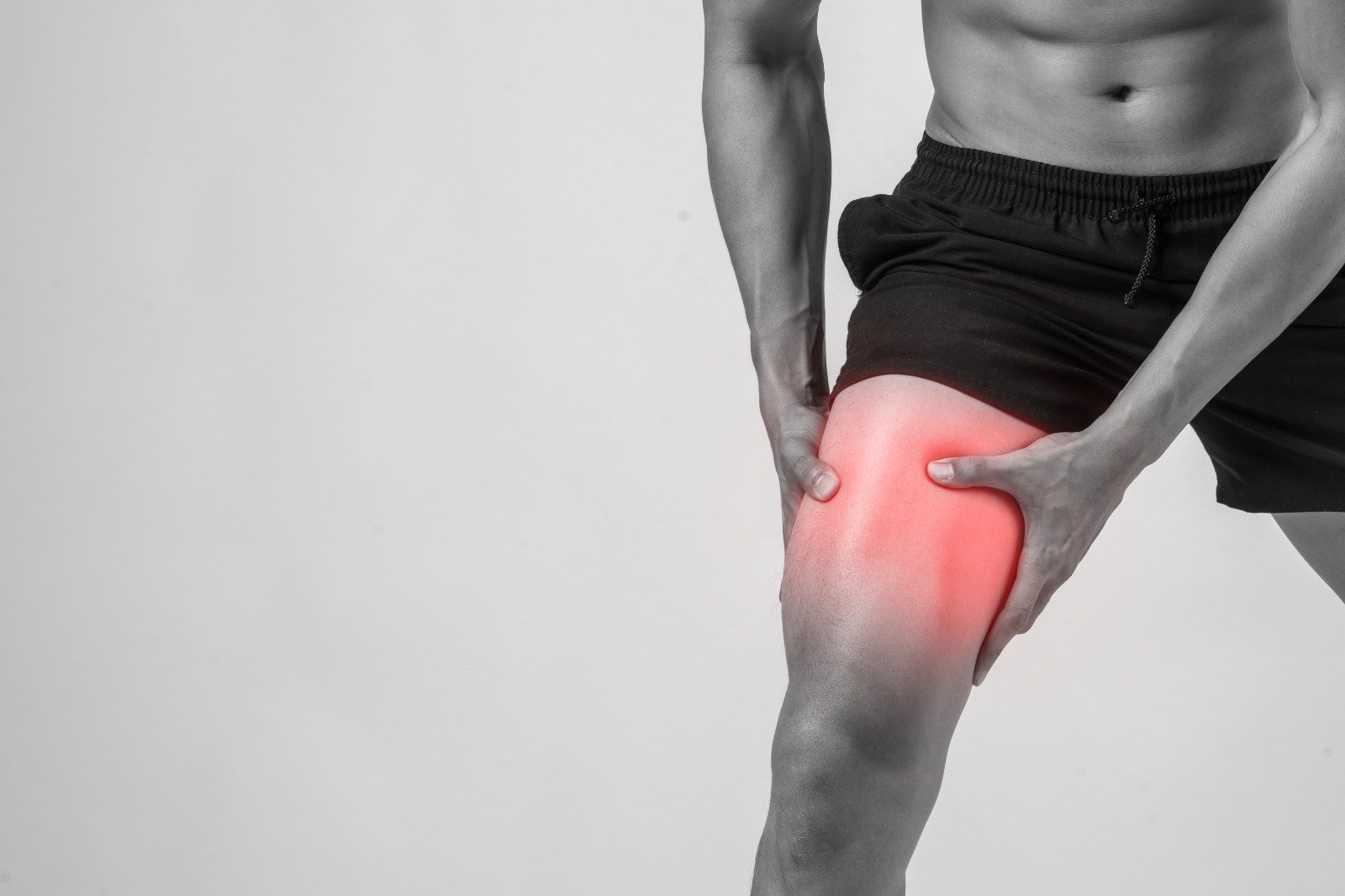
The Mechanics of Climbing Stairs and Its Impact on the Knee
Understanding the biomechanics of climbing stairs is crucial in recognizing common causes of knee pain. When an individual ascends a flight of stairs, several muscle groups are engaged to lift the body weight against gravity. The primary muscles involved include the quadriceps, hamstrings, calves, and hip flexors, which work in conjunction to provide the necessary strength for this upward movement.
As one steps up, the knee joint performs a pivotal role in this action. The joint flexes at an angle that varies depending on the height of each step and the individual’s technique. Typically, as the knee flexes to a greater degree during the ascent, it experiences increased stress, which may lead to discomfort or pain, particularly in those with pre-existing conditions.
The angle of the knee during stair climbing significantly impacts the loads experienced by the joint. As one climbs, the knee bears a substantial portion of the body weight. This repetitive strain, especially when done frequently or with improper form, can exacerbate certain conditions, highlighting the early warning signs of potential injury. For example, those predisposed to patellofemoral pain syndrome may find that climbing stairs intensifies their symptoms due to the upsurge of pressure placed on the kneecap.
It is essential for individuals experiencing knee pain while navigating stairs to assess their movement patterns and techniques. Adjustments in posture, step height, and pacing can alleviate some of the stress on the knee joint. However, if discomfort persists, it is advisable to consult with a healthcare professional to discuss when to see an orthopaedic doctor for a thorough evaluation and guidance on appropriate interventions.
Common Causes of Knee Pain During Stair Climbing
Knee pain while climbing stairs can be a debilitating issue, affecting individuals’ mobility and quality of life. Understanding the common causes of this pain is essential for effective management and treatment. One prevalent condition that leads to discomfort is patellofemoral pain syndrome, also known as “runner’s knee.” This occurs when the knee cap does not track properly over the thigh bone during movement, leading to wear and tear of the cartilage. Symptoms may worsen during activities such as stair climbing, as the joint experiences increased load.
Another significant contributor to knee pain during stair climbing is osteoarthritis. This degenerative joint disease results in the breakdown of cartilage, leading to pain, swelling, and decreased range of motion. Stair climbing exacerbates these symptoms, as it places added stress on already compromised knee joints. Individuals with osteoarthritis often report enhanced discomfort in the knees following prolonged activity.
Tendinitis is also a common cause of knee pain, particularly for athletes or individuals who engage in repetitive activities. This condition involves inflammation of the tendons around the knee and can result from overuse or physical strain. During stair climbing, tendinitis can produce sharp or persistent pain, limiting one’s ability to ascend and descend stairs comfortably.
Moreover, structural abnormalities such as ligament injuries, meniscus tears, or issues with alignment can contribute to knee pain during stair climbing. These problems disrupt normal knee function and can cause pain with movement. Each of these conditions represents a distinct challenge that can impact the ability to climb stairs effectively.
Preventative Measures and Treatment Options
Knee pain during activities such as climbing stairs can be a common issue for many individuals, often exacerbated by factors such as improper footwear, excess weight, or underlying health conditions. To effectively manage and prevent this discomfort, lifestyle modifications and targeted treatments are essential.
Proper footwear is a significant factor in alleviating knee pain. Shoes that offer adequate support and cushioning can reduce strain on the knee joint, particularly during movements that involve bending, such as climbing stairs. It is advisable to seek footwear that provides stability and aligns the foot correctly to minimize any risk of injury.
Weight management is another critical aspect of preventing knee pain. Excess body weight places additional pressure on the knees, increasing the likelihood of discomfort and complications. A balanced diet and regular exercise can help achieve and maintain a healthy weight, thereby reducing knee strain and improving overall mobility.
Physical therapy can also be beneficial in managing knee pain. Various exercises, including stretching and strengthening routines, can enhance the muscles surrounding the knee joint, providing better support and stability. A physical therapist can recommend specific exercises tailored to individual needs, focusing on improving flexibility and strength, which may help prevent future issues.
In addition to these measures, applying ice to the affected area may provide relief from pain and inflammation. It is generally recommended to ice the knee for twenty minutes after activities that exacerbate pain. Regularly engaging in specific stretches aimed at the quadriceps and hamstrings can maintain muscle length and joint mobility.
Recognizing early warning signs of knee pain is vital. If discomfort persists or worsens, it is prudent to consult an orthopaedic doctor to explore further treatment options, ensuring that any underlying conditions are effectively addressed.
When to Seek Professional Help for Knee Pain
Knee pain can vary in intensity and duration, making it crucial to monitor symptoms closely. Recognizing the early warning signs of knee problems can significantly influence treatment outcomes. If you experience persistent knee pain, particularly when climbing stairs, it is advisable to consider seeking professional help.
Firstly, if the pain lasts more than a few days or seems to worsen over time, it may indicate an underlying issue. Conditions such as tendinitis, arthritis, or meniscus tears often present with prolonged discomfort. If the pain is accompanied by swelling or inflammation, these are also common causes of concern. Swelling can signal an injury or chronic condition, requiring evaluation from a physician or orthopaedic specialist.
Furthermore, while moderate knee pain might not necessarily require immediate attention, severe pain, especially following an injury, usually warrants an urgent consultation. If you find yourself unable to bear weight on the affected leg or experience instability while walking, these symptoms indicate a need for timely evaluation.
It is also important to seek help if knee pain interferes with your daily activities. Tasks such as going up and down stairs, participating in sports, or even performing basic movements should not be debilitating. In such cases, a visit to an orthopaedic doctor or physical therapist is necessary. They can conduct a thorough examination, recommend imaging if needed, and develop a tailored treatment plan.
In conclusion, being aware of when to seek professional help for knee pain can lead to early intervention and better outcomes. Always pay attention to symptoms and don’t hesitate to seek medical advice when you are unsure about the severity of your condition.